


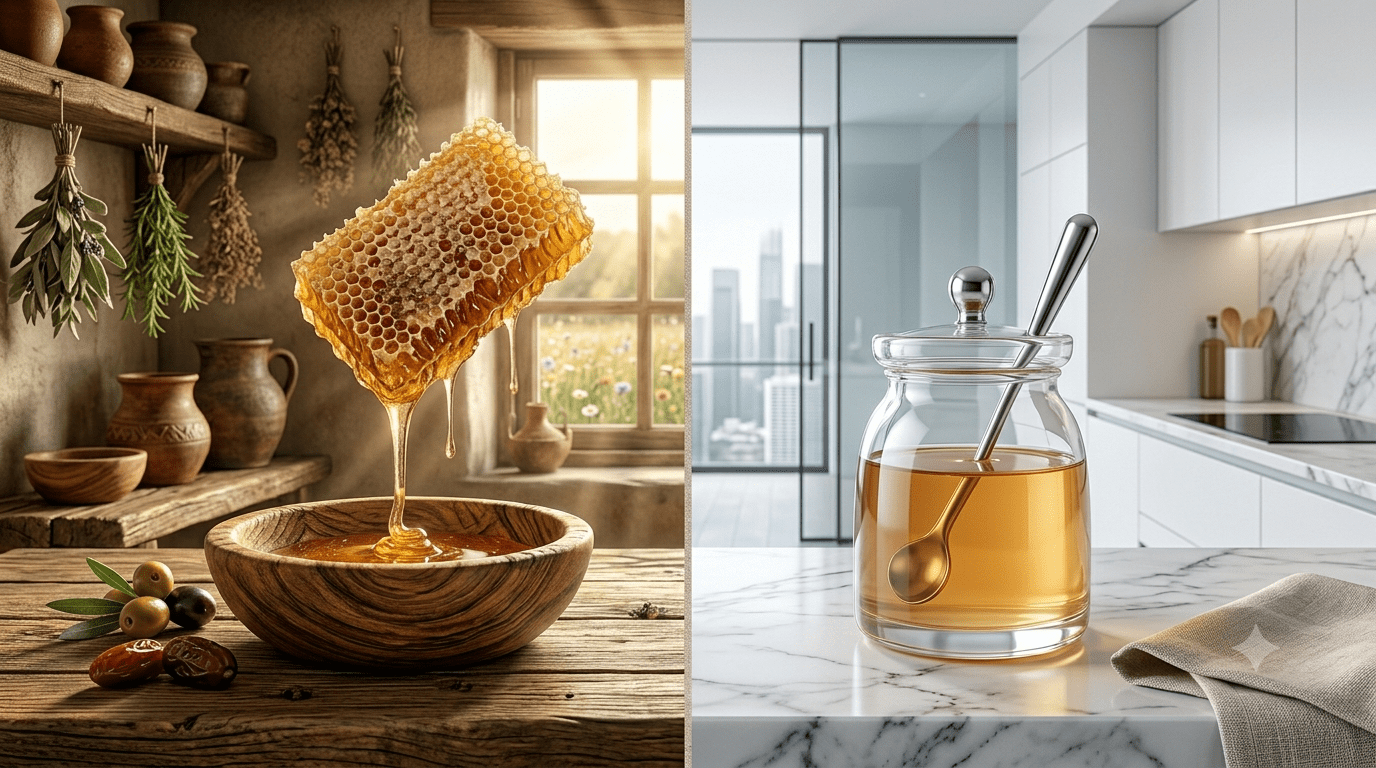
Honey has been enjoyed for thousands of years as one of nature’s most treasured foods. However, not all honey available in the market is the same. Consumers often come across terms such as “Raw Honey” and “Processed Honey” without fully understanding the differences between them.
Knowing how honey is produced and handled can help you make more informed purchasing decisions and choose products that align with your preferences.
What is Raw Honey?
Raw honey is honey that undergoes minimal processing after being collected from beehives. It is typically filtered to remove natural impurities such as wax particles while preserving its original characteristics.
Raw honey is appreciated for its natural appearance, flavor, aroma, and texture.
What is Processed Honey?
Processed honey generally undergoes additional heating and filtration before reaching consumers. These processes are often used to create a clearer appearance, smoother texture, and longer shelf life.
Processed honey is widely available and commonly found in supermarkets and retail stores.
Key Differences Between Raw and Processed Honey
1. Processing Method
Raw Honey:
- Minimal processing
- Light filtration
- Preserves natural characteristics
Processed Honey:
- Additional heating
- Extensive filtration
- Uniform appearance
2. Appearance
Raw honey may appear cloudy or contain tiny natural particles.
Processed honey usually looks clearer and more uniform due to advanced filtration methods.
3. Texture
Raw honey can naturally crystallize over time. This is a normal process and often indicates minimal processing.
Processed honey may remain liquid for longer periods due to heating and filtering techniques.
4. Flavor and Aroma
Many consumers appreciate raw honey for its rich and distinctive flavor profile.
Processed honey often has a milder and more consistent taste.
Understanding Honey Crystallization
One common misconception is that crystallized honey is spoiled. In reality, crystallization is a natural process that occurs in many varieties of pure honey.
If honey crystallizes, placing the container in warm water can help restore its liquid consistency.
How to Choose Quality Honey
When purchasing honey, consider the following:
- Buy from trusted suppliers
- Check ingredient labels
- Avoid unnecessary additives
- Look for proper packaging
- Research the brand’s reputation
Choosing a reliable source is one of the most important factors in finding authentic honey.
Common Uses of Honey
Honey can be enjoyed in many ways:
- Added to tea and beverages
- Spread on bread and toast
- Mixed into smoothies
- Used in desserts
- Included in traditional recipes
Its versatility makes it a popular ingredient in kitchens around the world.
Why Consumers Prefer Natural Honey
As awareness about food quality continues to grow, many consumers seek products that are closer to their natural form.
Raw honey appeals to those who value:
- Minimal processing
- Natural flavor
- Traditional food practices
- Authentic sourcing
Conclusion
Both raw and processed honey have their place in the market, but understanding their differences can help consumers make informed choices. By selecting quality products from trusted sources, you can enjoy the natural goodness and rich flavor that honey has to offer.
At Qudrati Foods, we are committed to providing premium-quality honey and natural food products that reflect authenticity, purity, and customer trust.